October 20, 2026
Why Is Testing for Marijuana Impairment So Hard
By @dominickkkqg499
Alcohol is simple. Blood alcohol levels climb. You get drug f impaired. A roadside breath test gives a number that authorities can defend in court. Cannabis is a different story. 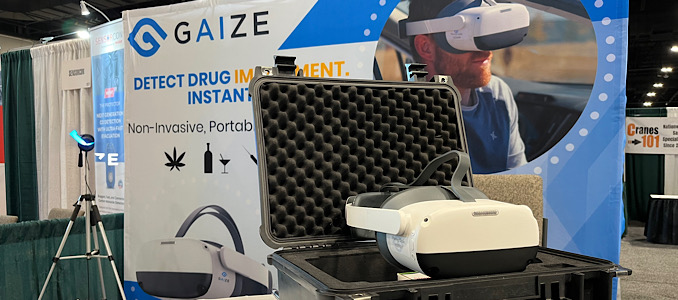 THC, the chemical that produces the high, clears out of the blood quickly. An hour after inhaling, levels can drop sharply while you still feel high. Then it tapers off, settles into fat tissue, and lingers. A user who smokes daily may even have measurable THC days after that last joint, long after impairment has stopped; an infrequent user can even be overtly impaired at a low reading. That number just doesn't translate smoothly into how the person drives, thinks, and responds. That gap causes some real pain. A few states, including Colorado and Washington, set a per se limit of 5 nanograms of THC per milliliter of blood. Experts cringe at that number. Studies keep finding weak links between blood THC and various driving skills; a habitual user might breeze through all the tests at a level that would drop a novice. Urine tests complicate things further. They can see if people have metabolites, which means their body has had THC at some point, and that can take weeks. A positive result proves past cannabis use, but not current impairment. How you get there counts. Smoking acts quickly and wears off. Edibles can take over an hour to get in and then peak and persist for hours. It's possible you could get tested too soon and find out near zero, then actually be impaired on the street. What do officers look for then? Mostly observation: slurred speech, bloodshot eyes, unsteady balance, failure on field sobriety exercises. Drug recognition experts with specialist training run a twelve-step systematic assessment. It helps, but it's subjective and can be overturned in court. A few states have no set limit at all and depend entirely on the prosecutor drawing an inference.
❧